

Telepost Pads
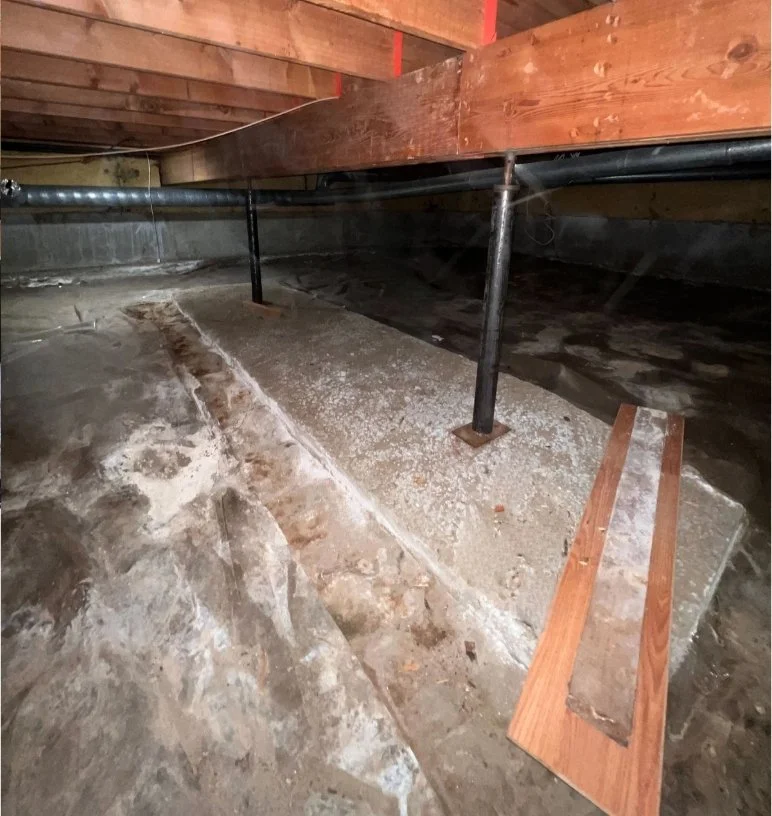
Telepost pads (concrete footing) are structural supports installed beneath teleposts (vertical support columns) in a home.
These engineered pads provide a stable, load-bearing base that helps properly support the weight of the structure above.
Why are Telepost Pads Important?
Over time, teleposts can settle or shift if they are not supported by a properly sized and stable footing. This can lead to:
Sagging floors above
Uneven or bouncy floor areas
Cracking in drywall or finishes
Teleposts are designed to distribute the weight of the home over a larger area, reducing localized pressure on the soil and helping to prevent future settlement.
Where are Telepost Pads Used?
Telepost pads are commonly installed in:
Basements and Crawl spaces
Homes with long floor spans or open-concept layouts
Areas where additional structural support is needed
They are often used to correct existing issues or as part of a broader structural repair or renovation.
How Telepost Pads are Installed:
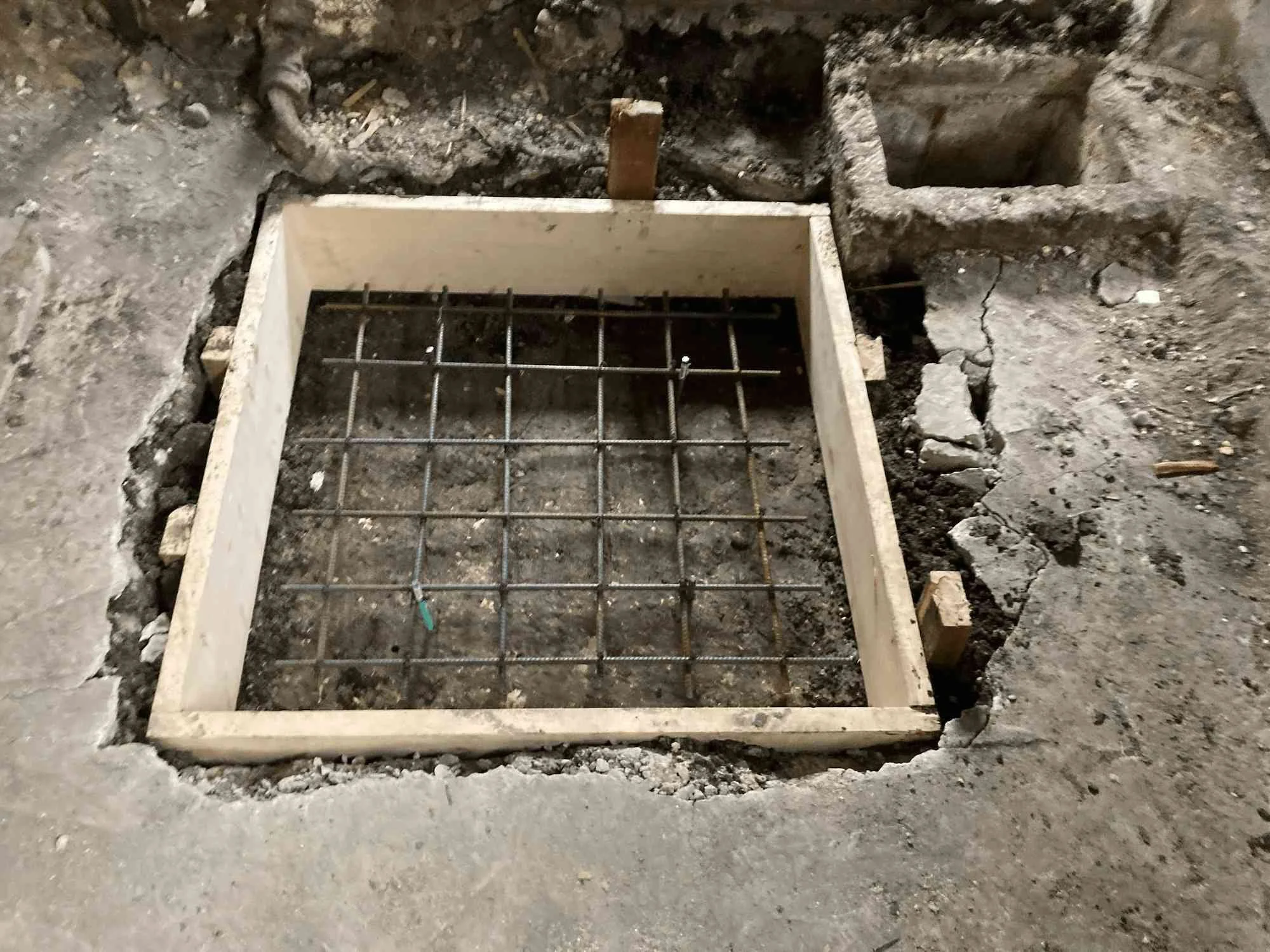
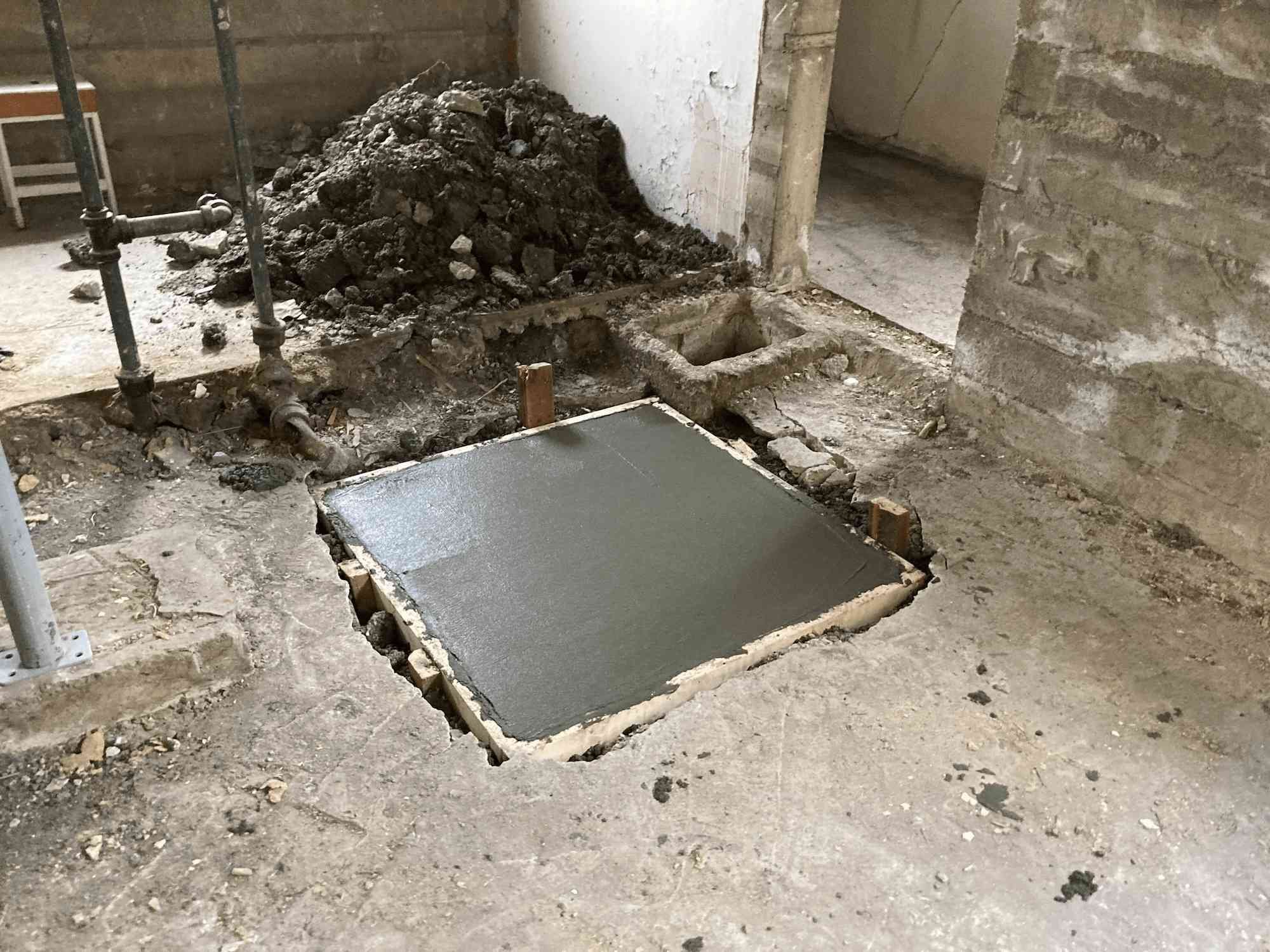
Proper installation is key to ensuring long-term performance. Working with an engineer, the process of installing new telepost pads typically includes:
Excavation beneath the existing telepost
Preparing the base to ensure proper support
Pouring a concrete pad sized to carry the required load
Allowing the concrete to cure
Reinstalling or adjusting the telepost to ensure proper support
Each installation is completed with careful attention to load requirements and stability.

FAQ
-
A telepost pad provides a stable base for a support column, distributing the weight of the structure over a larger area. This helps prevent the post from sinking into the ground and ensures the load is properly supported.
-
Signs that a telepost may not be properly supported include:
Sagging or uneven floors above
A telepost that appears to be sinking into the floor
Cracks forming in drywall or ceilings nearby
Movement or shifting in the support column
If you notice any of these, it’s a good idea to have it assessed.
-
Yes. Teleposts pads can be installed in existing basements by carefully excavating beneath the post and installing a properly sized concrete footing.
-
Not always. In some cases, the existing telepost can be reused if it is in good condition and properly sized for the application. In other situations, it may be replaced or adjusted to ensure proper support.