
Waterproofing & Drainage
At LETY Construction we offer a complete range of waterproofing and drainage solutions to prevent water from entering your home.
Are you searching for a trusted, experienced company to help you:
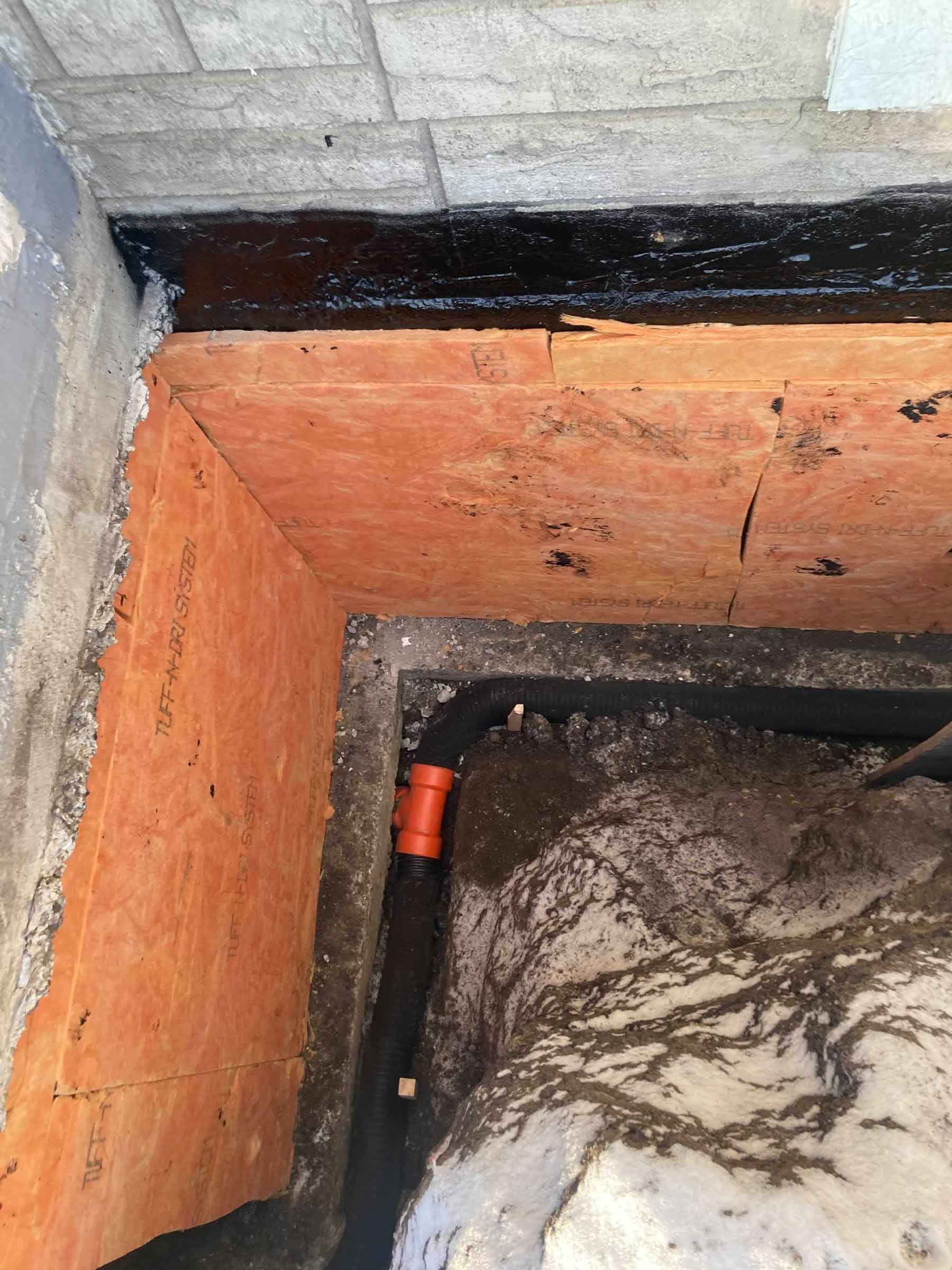
Clogged weeping tile?
No weeping tile on an older home?
Foundation waterproofing?
Overflowing window wells?
Our expert waterproofing and drainage services include:
Interior weeping tile systems
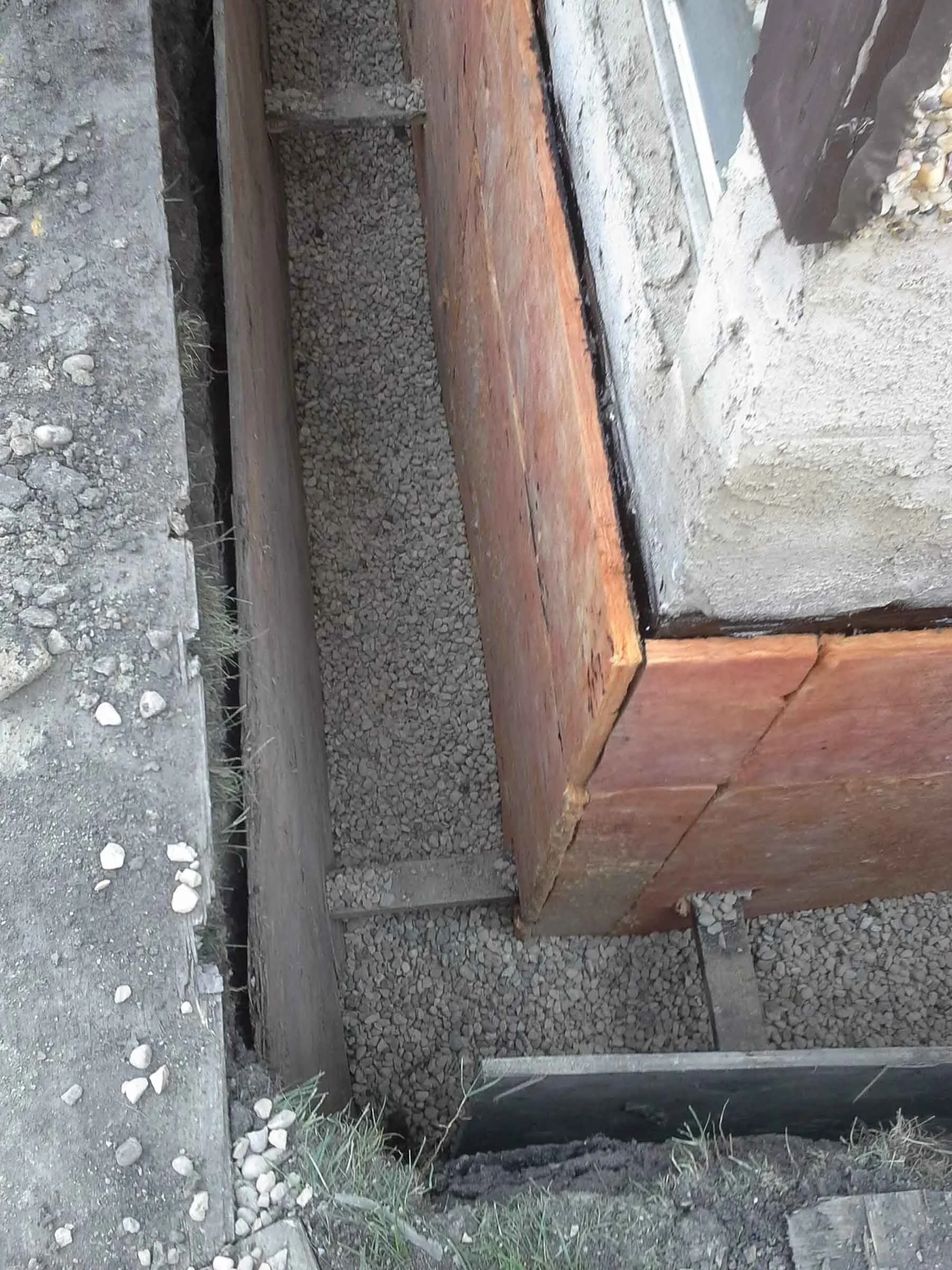
Exterior weeping tile systems
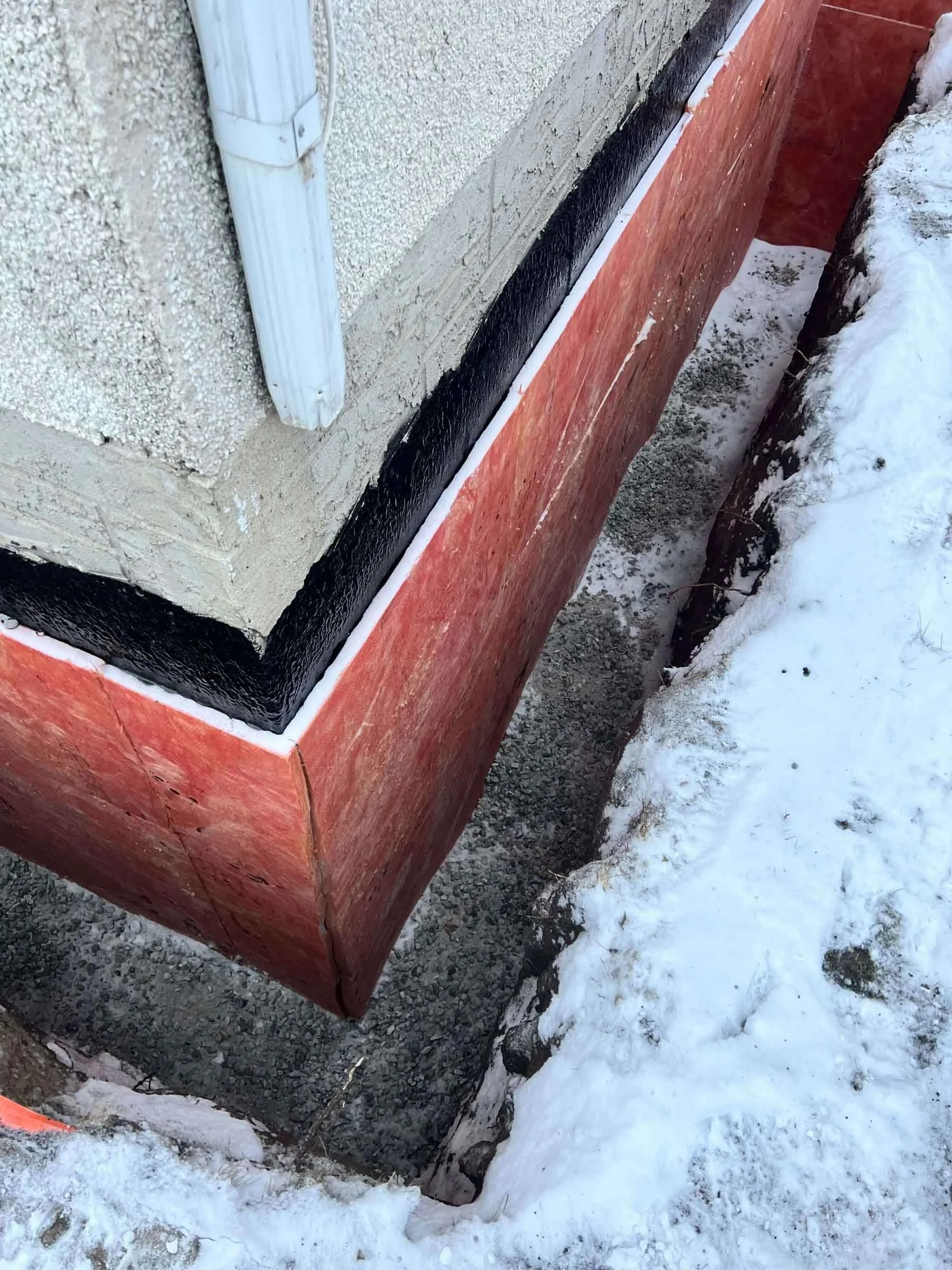
Waterproof membranes
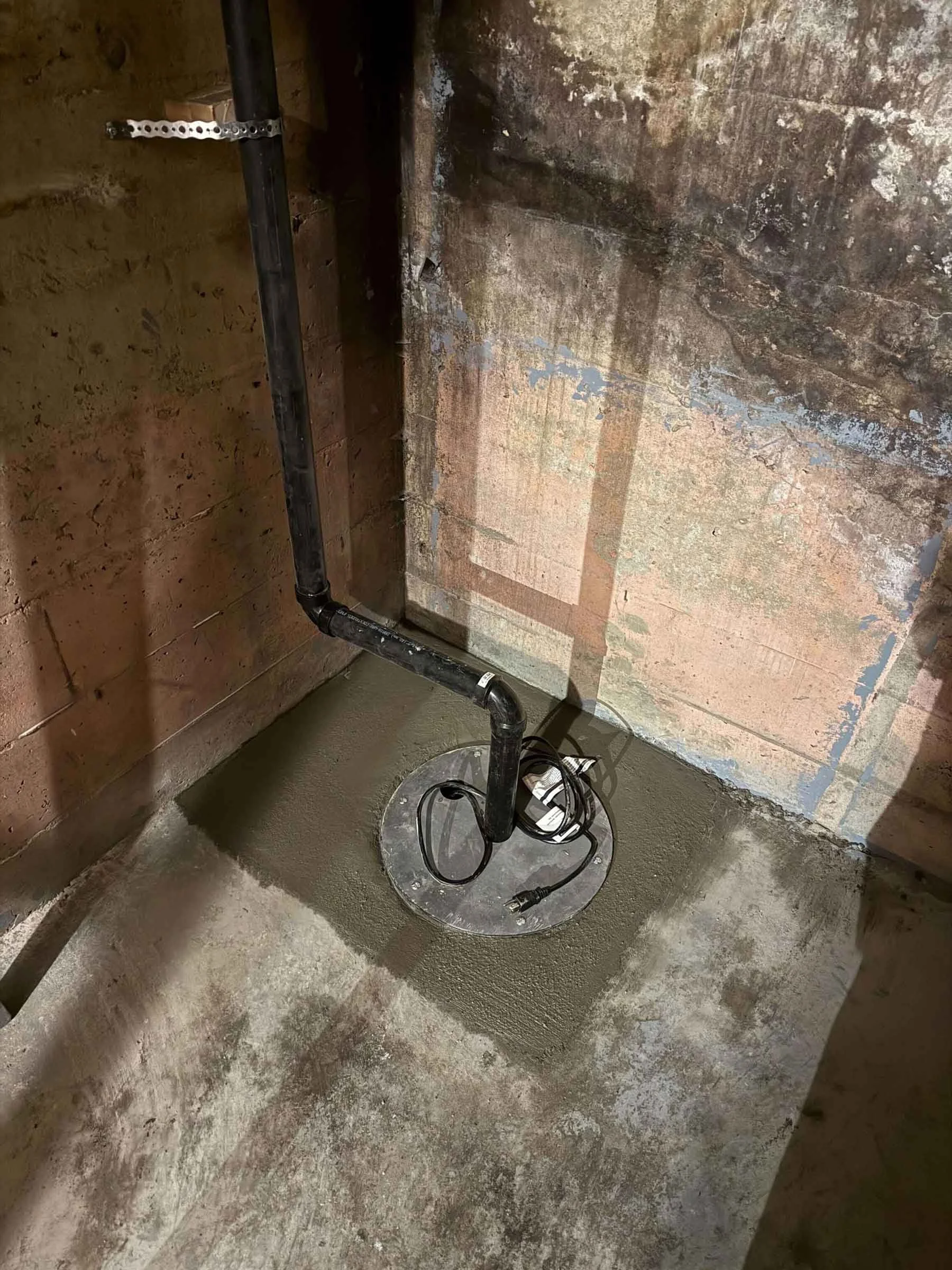
Sump pump installation
Window wells installation
LETY Construction is pleased to offer these services for both:
Existing homes in response to water intrusion.
New construction as a preventative measure. (Complete with a guarantee from Tremco, the producer of our waterproof membranes.)
Our team works with homeowners to identify the source of the problem and then implement long-term solutions that keep basements dry, usable, and enjoyable for years to come.
How is water getting into my basement?
When homeowners discover water in their basement, it typically comes from two main sources: stormwater or groundwater.
Stormwater: This water source comes from above, from precipitation such as rain or meltwater that comes from hail and snow. Some of it evaporates, some becomes runoff, and some is absorbed into the ground.
Properly maintained eavestroughs, downspouts and grading that slopes away from your house are essential for directing stormwater away from your foundation, but it can still get into your basement through a foundation crack or add to the ground saturation surrounding a foundation.
Groundwater: This water source comes from below grade when stormwater soaks into the earth. Water is pulled down by gravity through soil, gravel or sand until it reaches the point where the earth is saturated.
This area is called the saturation zone, and the top of this zone is called the water table. The water table can be deep in the ground or close to the surface, depending on the amount of water coming from above or any underground sources of water.
The water table is much like a lake, as the levels change depending on how much precipitation we have from year to year, season to season.
Wet years raise the water table
Dry years lower the water table
Groundwater can become an issue for your foundation when the water table rises above the level of the footing (the bottom part of your foundation), pooling around the outside walls of your house and under the basement slab.
When water has nowhere to go, pressure builds up in the soil that surrounds your foundation, effectively pushing against your walls and slab. This is known as hydrostatic pressure and can lead to cracks in foundation walls leaking or water pushing up through cracks in the basement floor or the seam where the wall and floor meet.
This is why proper drainage systems are critical for keeping your basement dry.
How do I stop water from getting in my basement?
At LETY Construction, our waterproofing and drainage specialists install complete drainage systems for managing water around your home.
This system typically includes a waterproof, seamless elastomeric membrane applied with a drainage board system, weeping tile system (exterior and/or interior), and a sump pump or connection into the city drainage system to discharge the collected water.
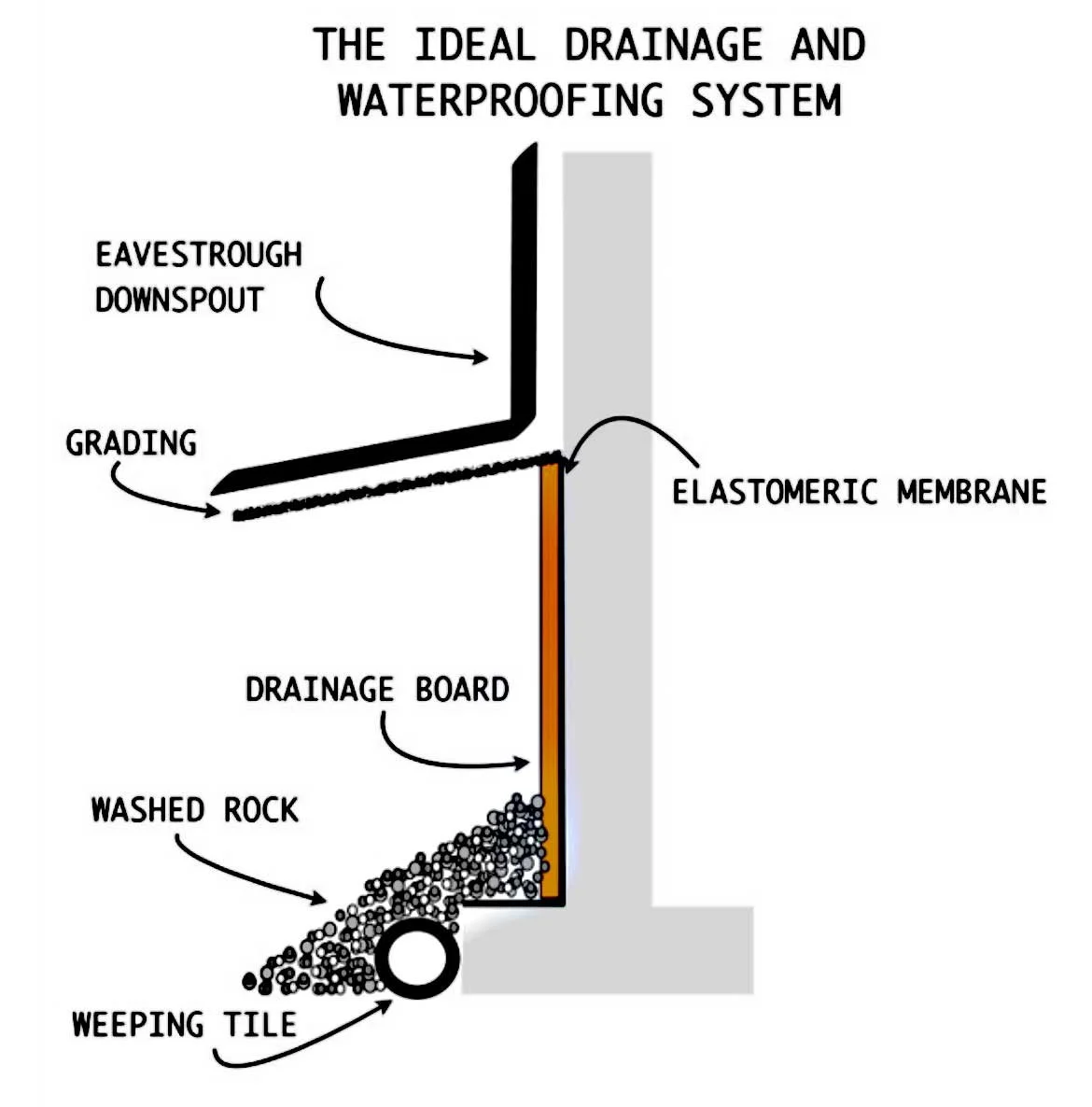
The ABC (DE’s) of a complete waterproofing system:
-

Elastomeric Membrane
This rubberized product is sprayed to the exterior foundation wall to form a seamless waterproof barrier that can stand up to hydrostatic pressure. Elastomeric membranes can also bridge any current, or future, hairline cracks in the foundation.
-

Foundation (Drainage) Board
Our foundation board works hand in hand with the elastomeric membrane to direct water down to the weeping tile system.
It also:
- Protects the membrane during backfill
- Provides a thermal break to help reduce heat loss
- Adds approximately R5 insulation value
- Helps absorb some of the soil pressure from around the foundation
-

Weeping Tile (Interior and Exterior)
Exterior weeping tile is installed around the perimeter of the house next to the footing. It collects water from around the footings, draining it into a sump basin. Water collects here until the sump pump engages, directing it out and away from your foundation.
Interior weeping tile is installed in the same fashion but around the inside of the footing, collecting around the perimeter, draining into a sump basin and then being discharged by the sump pump.
-

Sump pumps
Sump pumps remove the water that has collected from the weeping tile. The sump liner is the holding tank for the collected ground water.
It must be:
- Perforated
- Installed in a bed of washed rock
- Properly connected to a discharge line
The sump pump automatically engages when the collected water reaches a certain level.
-

Grading
Maintaining proper grading around your house is essential to help prevent damage to foundations.
The ideal grade:
- Slopes away from the foundation
- Uses compacted clay soil around the house
- Covered with a couple inches of topsoil for sod etc.
Creating a swale (a depression that slopes or is graded out to the street) between properties also helps to collect surface water and direct it to the storm drains.