

Weeping Tile and Sump Pumps
Weeping Tile
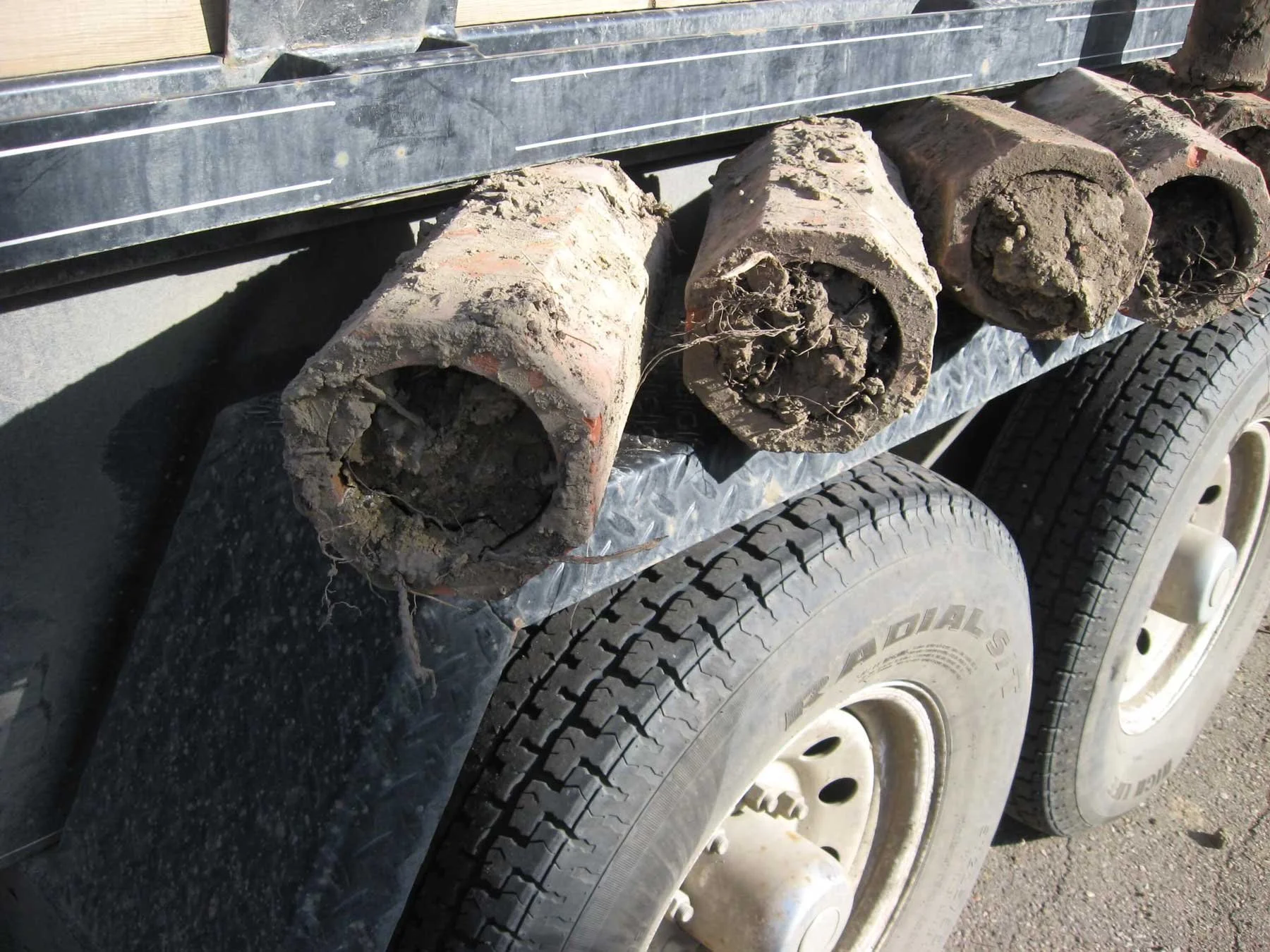
The term “weeping tile” comes from the original clay tile first used in early construction to manage underground drainage. These orange/red octagonal tiles were placed around the footing usually with a small gap between the tiles that allowed water to collect to be directed to the storm drain.
These systems worked well at the time; however, they were subject to deterioration, blockage and shifting. Material and construction practices have improved significantly, allowing systems to collect and manage groundwater more effectively.
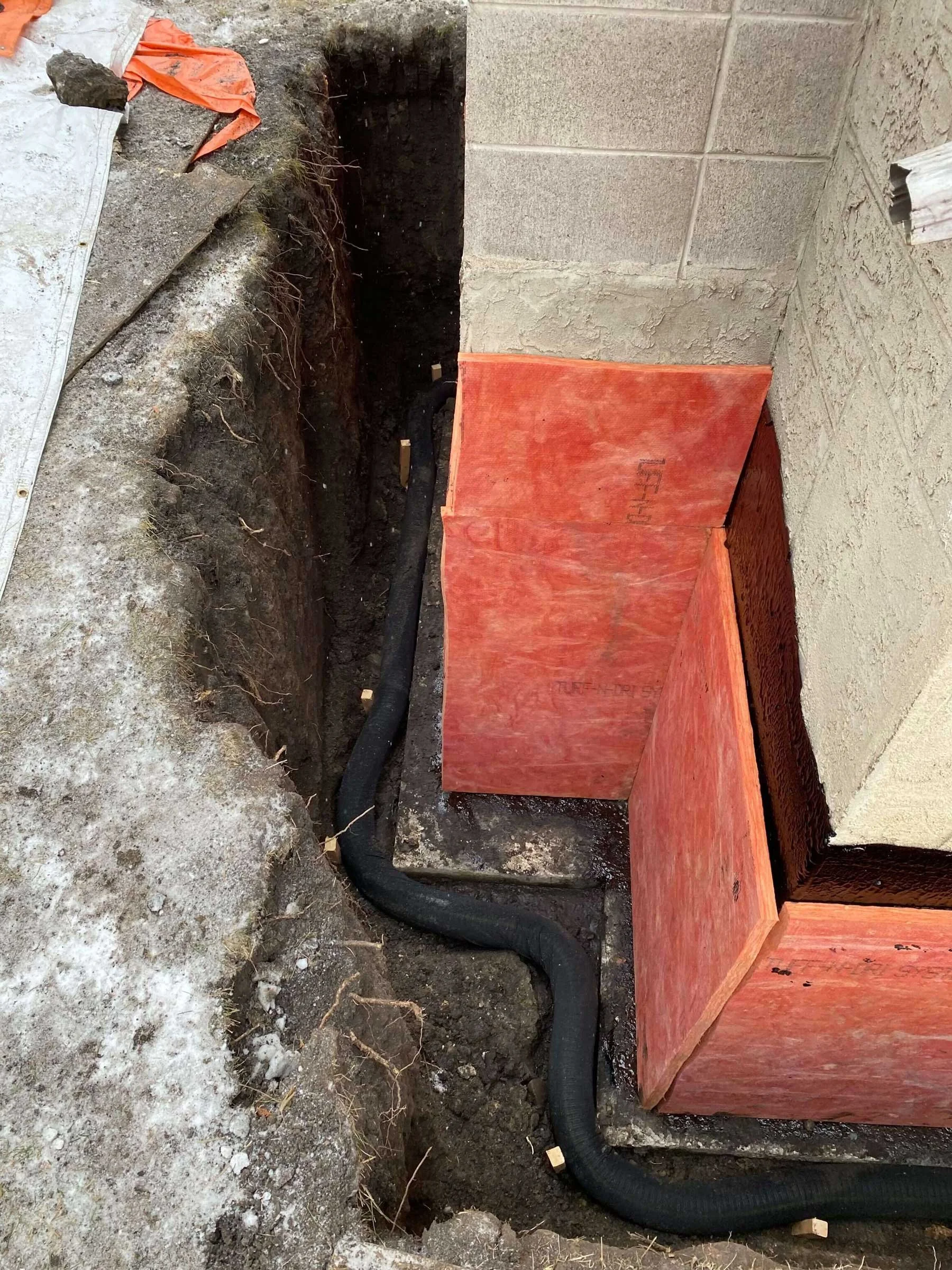
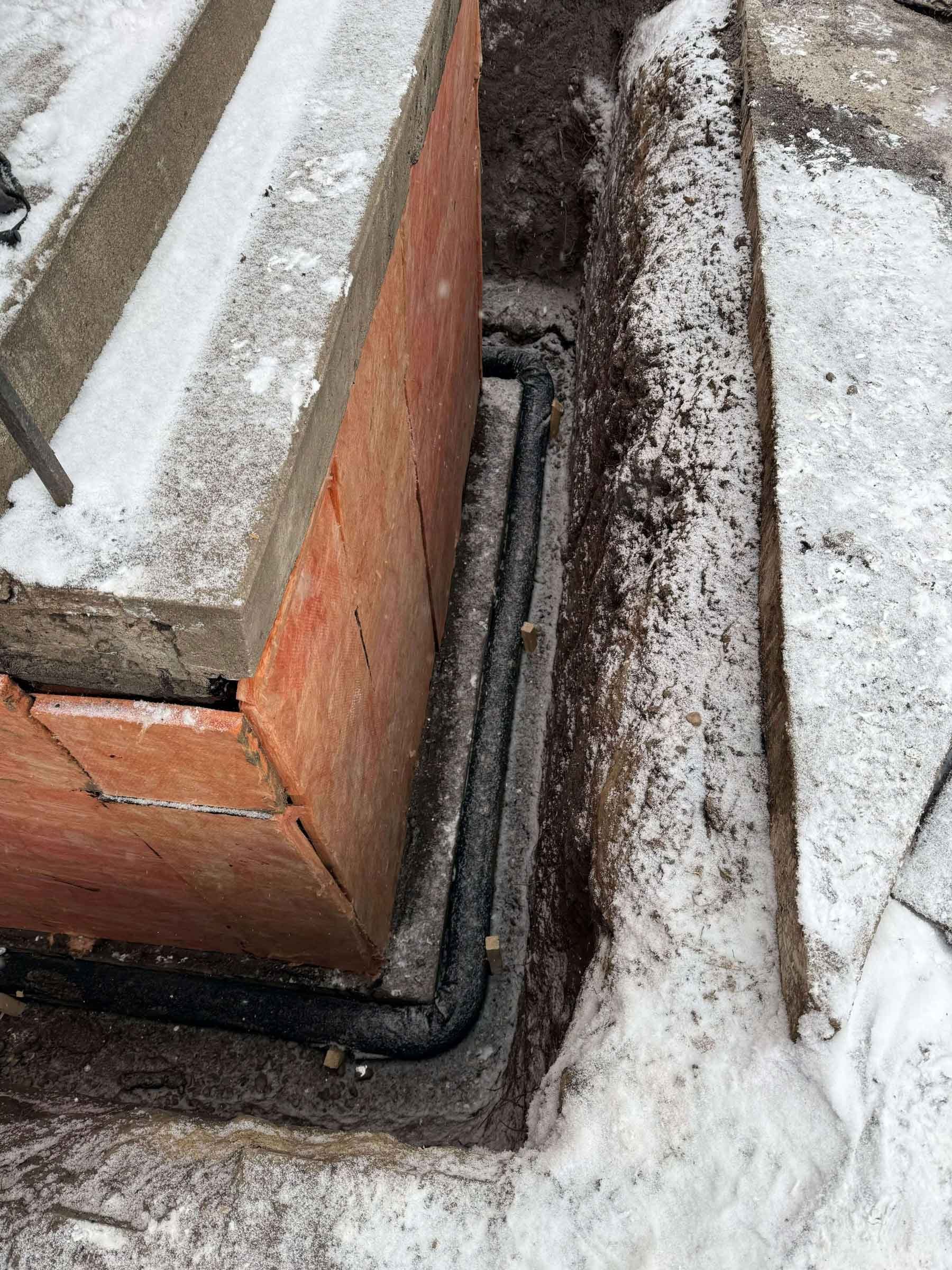
Modern weeping tile is a plastic perforated pipe that allows water to seep into it. It is covered with fabric, known as a “sock,” to help prevent silt and soil from clogging the pipe. The weeping tile is connected to the sump basin and covered with washed rock to further help with drainage.
In new construction, the installation of weeping tile is completed prior to backfill. However, when an existing home requires new weeping tile, a trench around the perimeter must be excavated. At LETY Construction, our team takes great care to minimize disruption and protect existing lawns, landscaping and surrounding areas during this process.
Interior Weeping Tile
In cases where weeping tile is required and excavating the exterior perimeter is not possible, an interior weeping tile system can be installed.
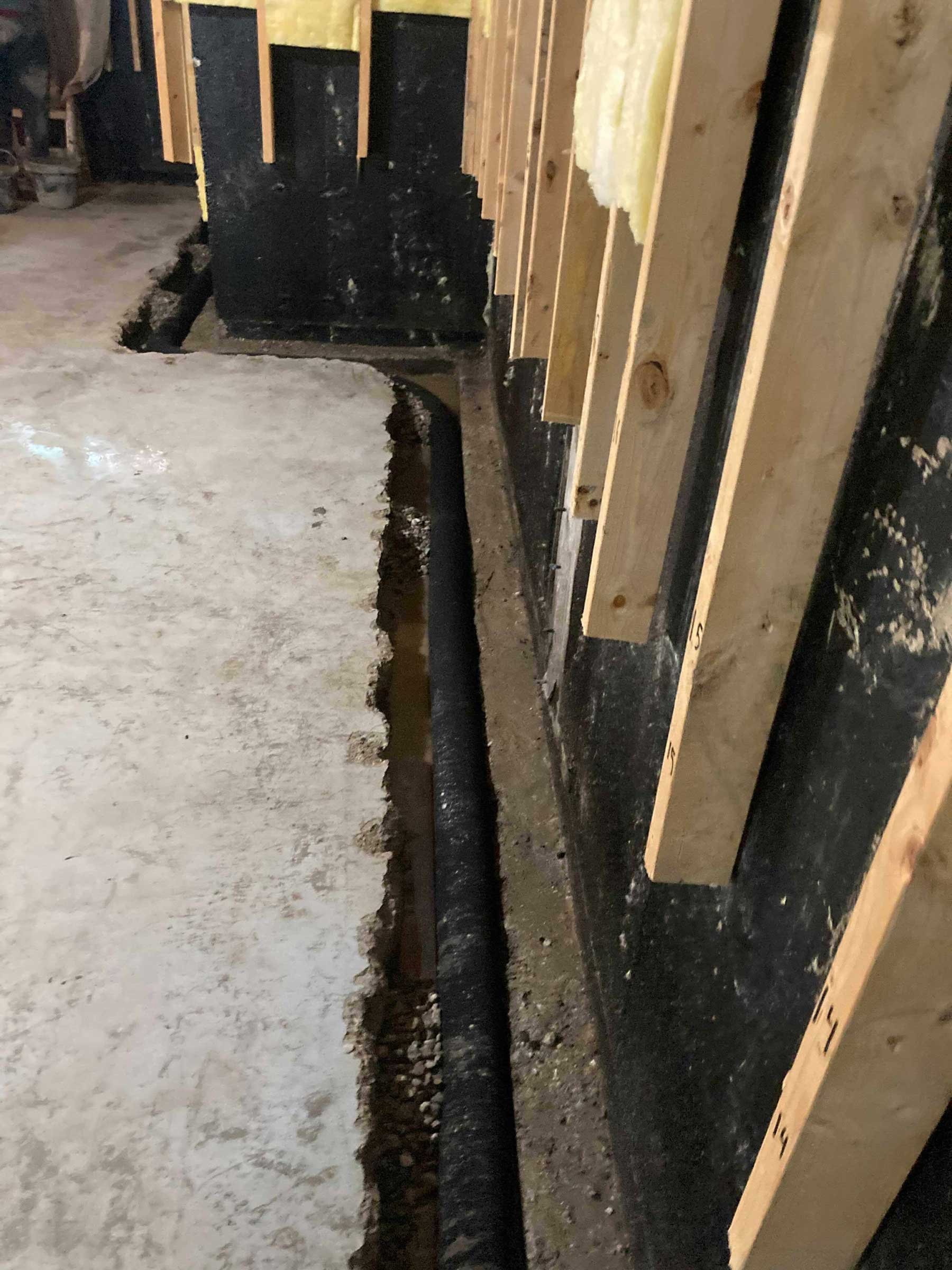
In relation to the footing, interior weeping tile is placed the same as exterior weeping tile, it’s just on the inside of the footing.
A narrow trench is jack hammered around the inside perimeter of the basement and the soil is removed to expose the footing. The weeping tile is placed next to the footing and covered with washed rock. A membrane is then installed to protect the joint between the wall and the footing and help direct water into the weeping tile. The system is then connected to an existing sump basin and pump, or one that we install. The concrete is then re-poured and finished.
Choosing the Right System
Both interior and exterior weeping tile systems are effective methods for collecting and managing groundwater around your foundation.
The best solution depends on several factors, including:
The specific water issues affecting your home
The design and accessibility of the property
Budget considerations
Long-term goals for basement moisture management
At LETY Construction, our estimator will take the time to assess your situation and discuss all available options to help determine the best approach for protecting your home.
Sump Pumps
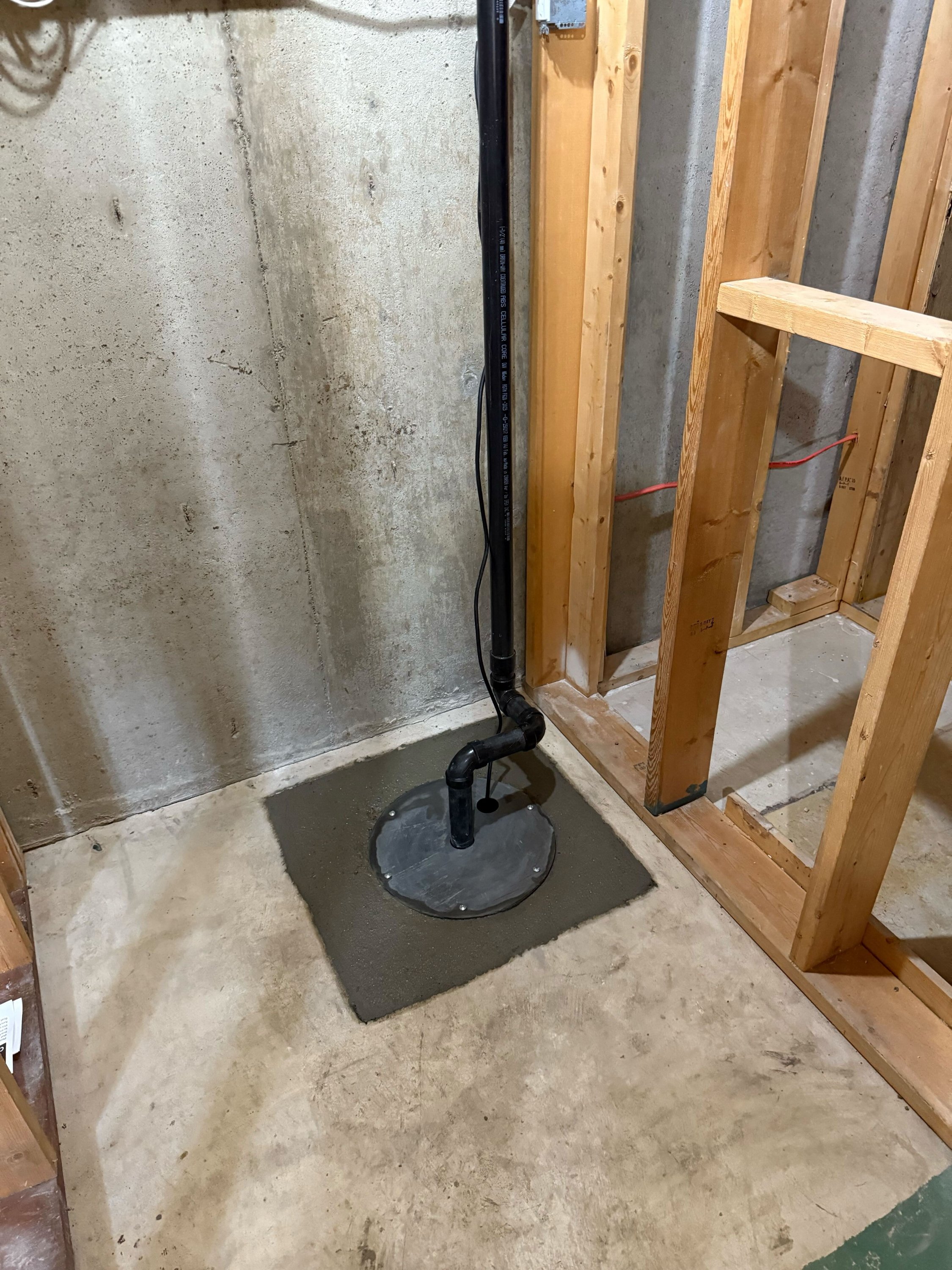
Once the weeping tile has collected the groundwater and drained it must be discharged from the basin. The sump pump turns on once the water level in the basin reaches a predetermined level and it pumps the water out.
As the sump-pump is the final and most important step in removing the water collected by the drainage system, it is essential that it be properly installed to specific standards and routinely checked. LETY Construction also recommends that the sump pump be properly supported with a back-up pump and alarm.

FAQ
-
Weeping tile is a perforated pipe that is laid around the perimeter of the foundation to collect groundwater and direct it to the sump basin to be pumped out. This means that it prevents water from building up hydrostatic pressure around the footing and forcing its way into the basement. As a bonus, it also helps to regulate moisture content around the base of the foundation.
-
It will usually depend on the age and location of the neighborhood. In some older neighborhoods, the weeping tile is directly tied into the separate storm drain that runs underground. These systems did not require a sump pump. However, in most new neighborhoods, it is typical to have a sump pump as a break between the storm water collection system and your house.

Testimonial from a Satisfied Client
“We have had previous work done by Lety Construction so we already knew the craftsmanship was there. Everything from start to finish with Lety was exceptional – from getting a quote, the very reasonable prices, being informed as to what was going take place, welcoming any questions we had, and of course, their warranty, which is the best in this business. The crew were on time and very professional. They worked hard and diligently. Our front yard stayed organized and they did such an outstanding job of the clean up as well. The Administrative staff are absolutely wonderful to deal with and have a great sense of humour too! When a company can make you feel like a valued part of their business and not just a number, then you know you have something that is unique. I would absolutely recommend Lety Construction for anyone who is looking for exemplary work. You will not be disappointed, especially knowing that this line of work is not regulated. Go with the best – Lety Construction. Thank you Lety!”
— Michelle S.