

Underpinning
There can be several signs that a home is experiencing foundation settlement, including:
Cracks in drywall above windows and doors or in ceilings
Windows or doors that suddenly become difficult to open or close
Uneven, sloping, or buckled basement floors
These symptoms often indicate that part of the home’s foundation has begun to settle.
Foundation settlement occurs when the soil beneath the footing can no longer adequately support the weight of the structure above it. This can happen when soil compresses, shifts, becomes saturated with water or dries out.
When this happens, the footing can lose support. As the structure continues to bear weight on the foundation, cracks may develop and sections of the home can begin to settle unevenly. This uneven movement—called differential settlement—can lead to further cracking and structural movement over time.
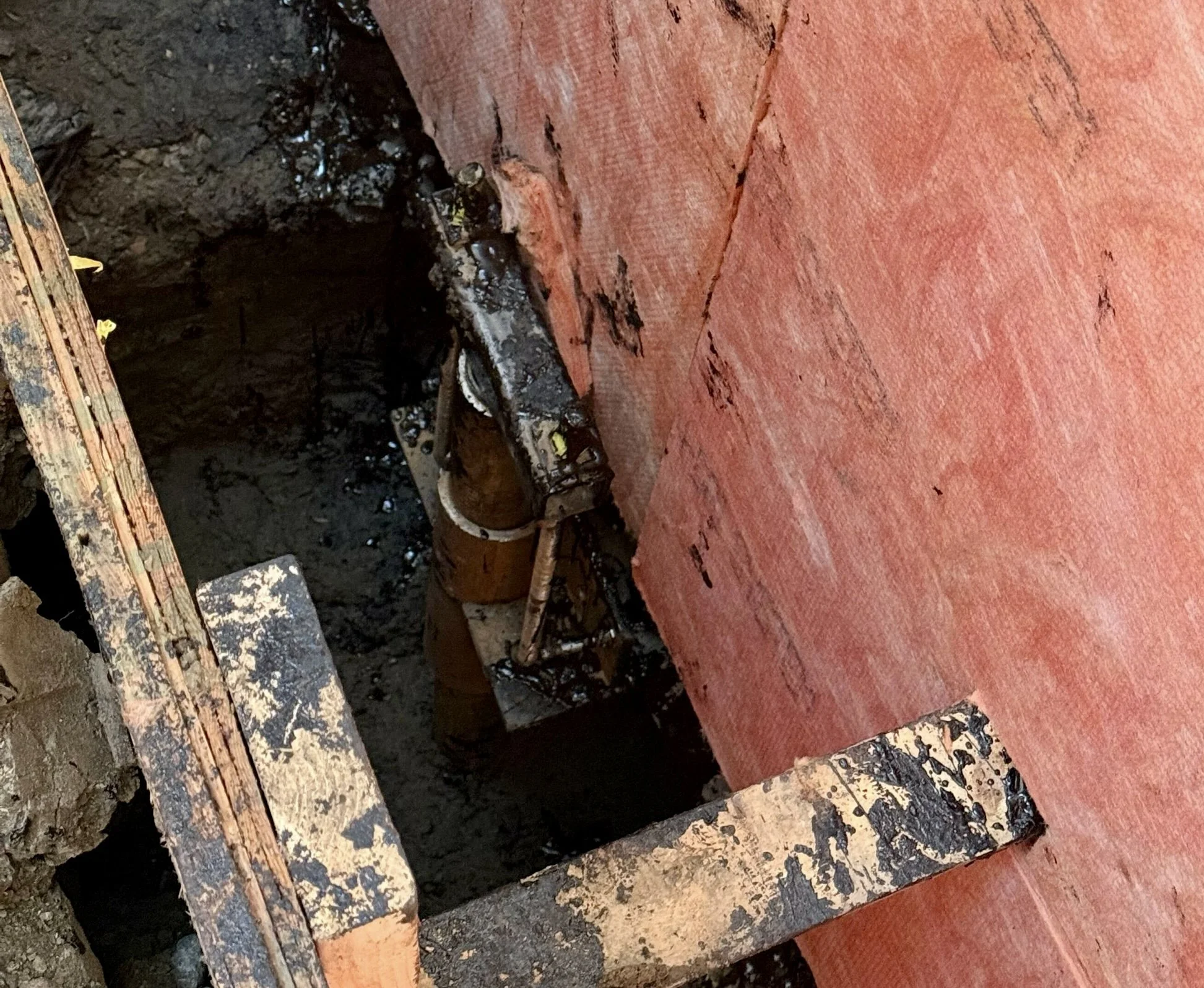
How Underpinning Works
In many cases, the long-term solution to foundation settlement is underpinning.
Underpinning is the process of strengthening and stabilizing an existing foundation by adding deeper structural support beneath it.
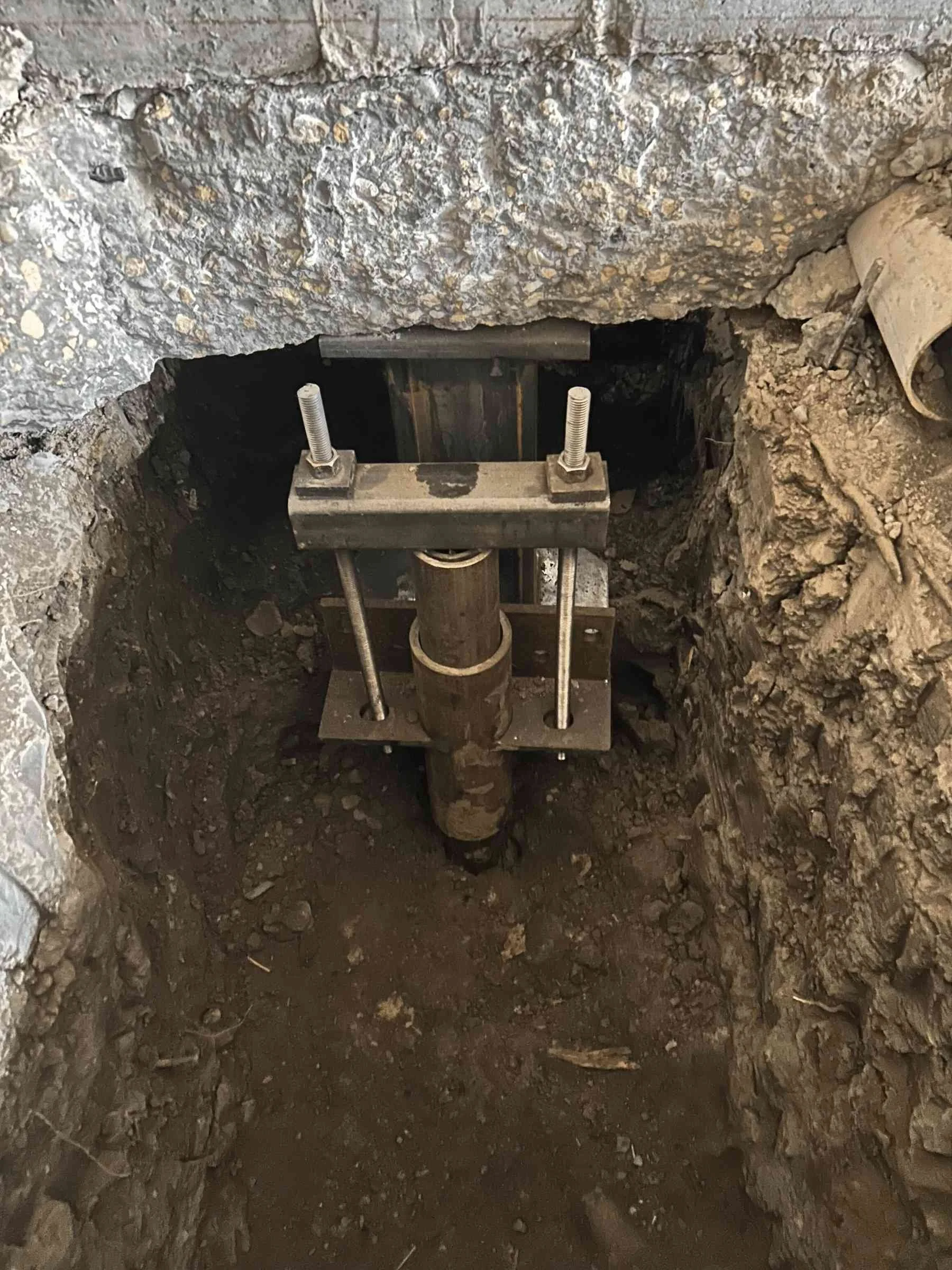
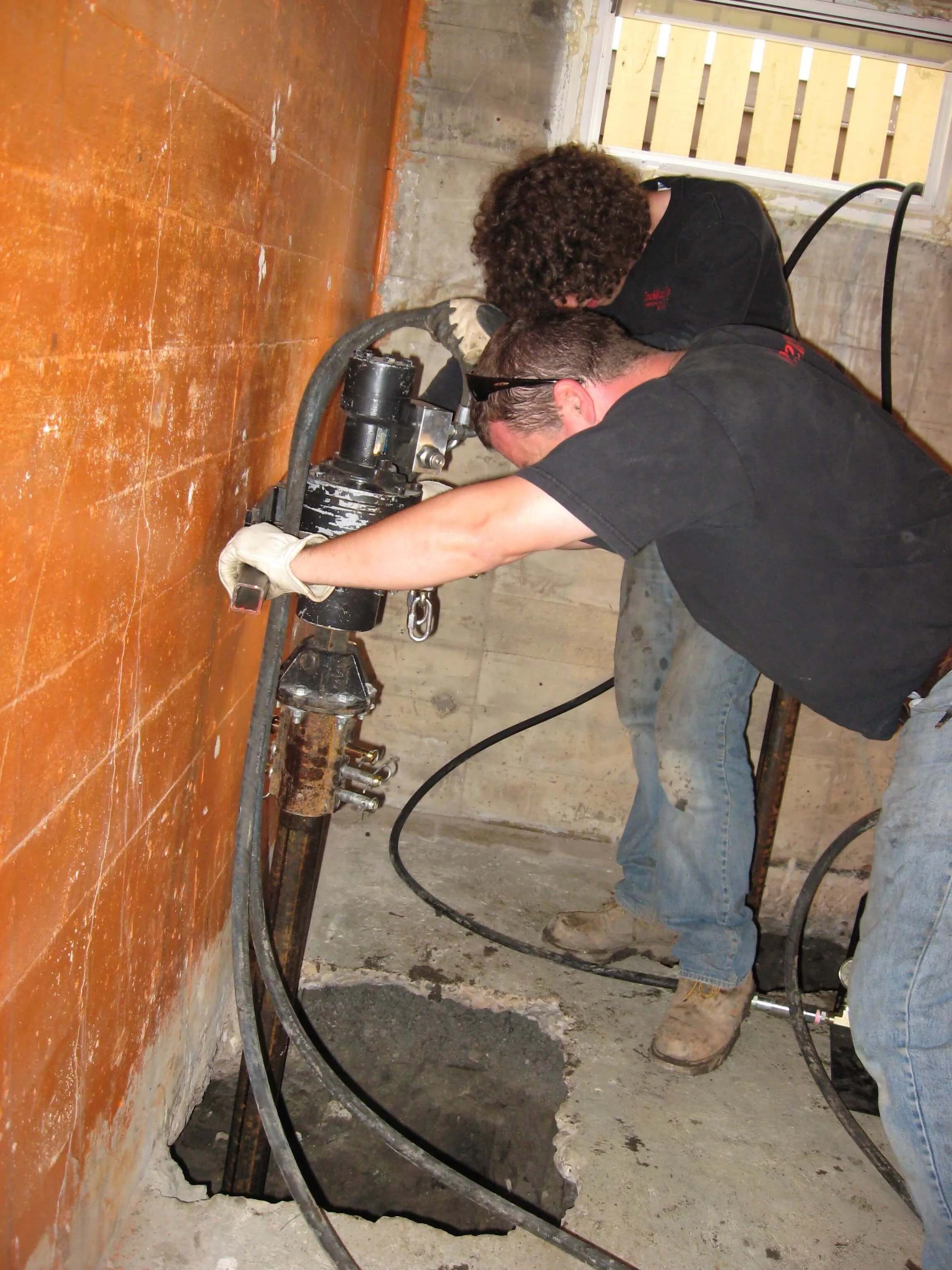
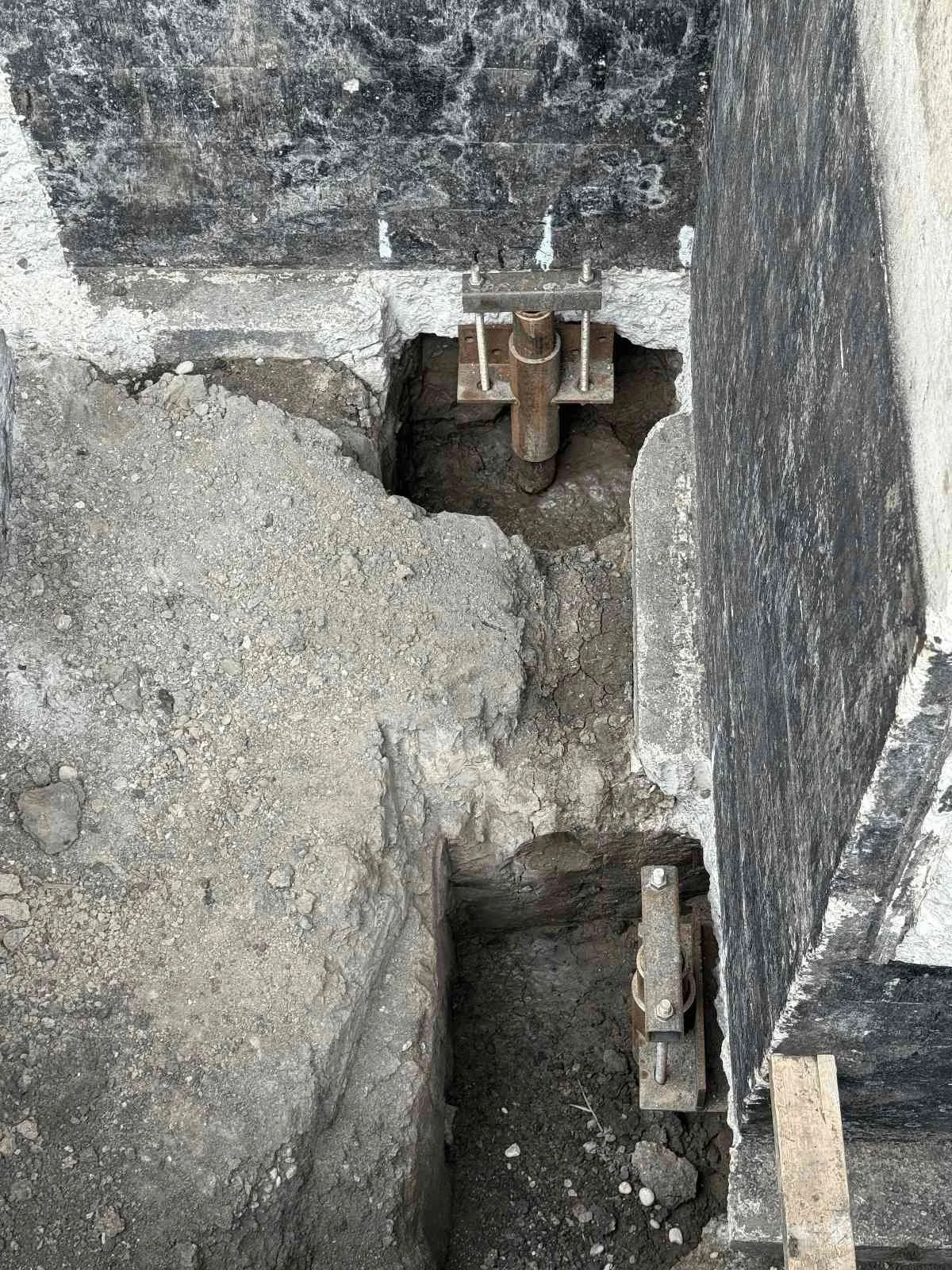
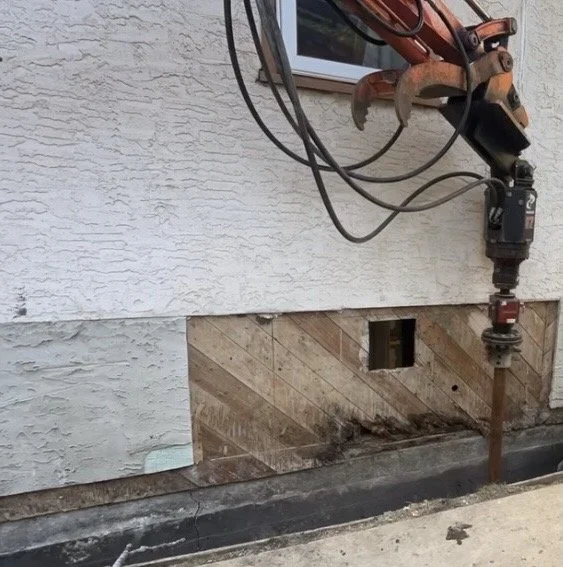
Working from an engineered plan, helical piers (also known as screw piles) are installed at specific locations around the foundation. These steel piles are advanced into the ground until they reach stable, load-bearing soil.
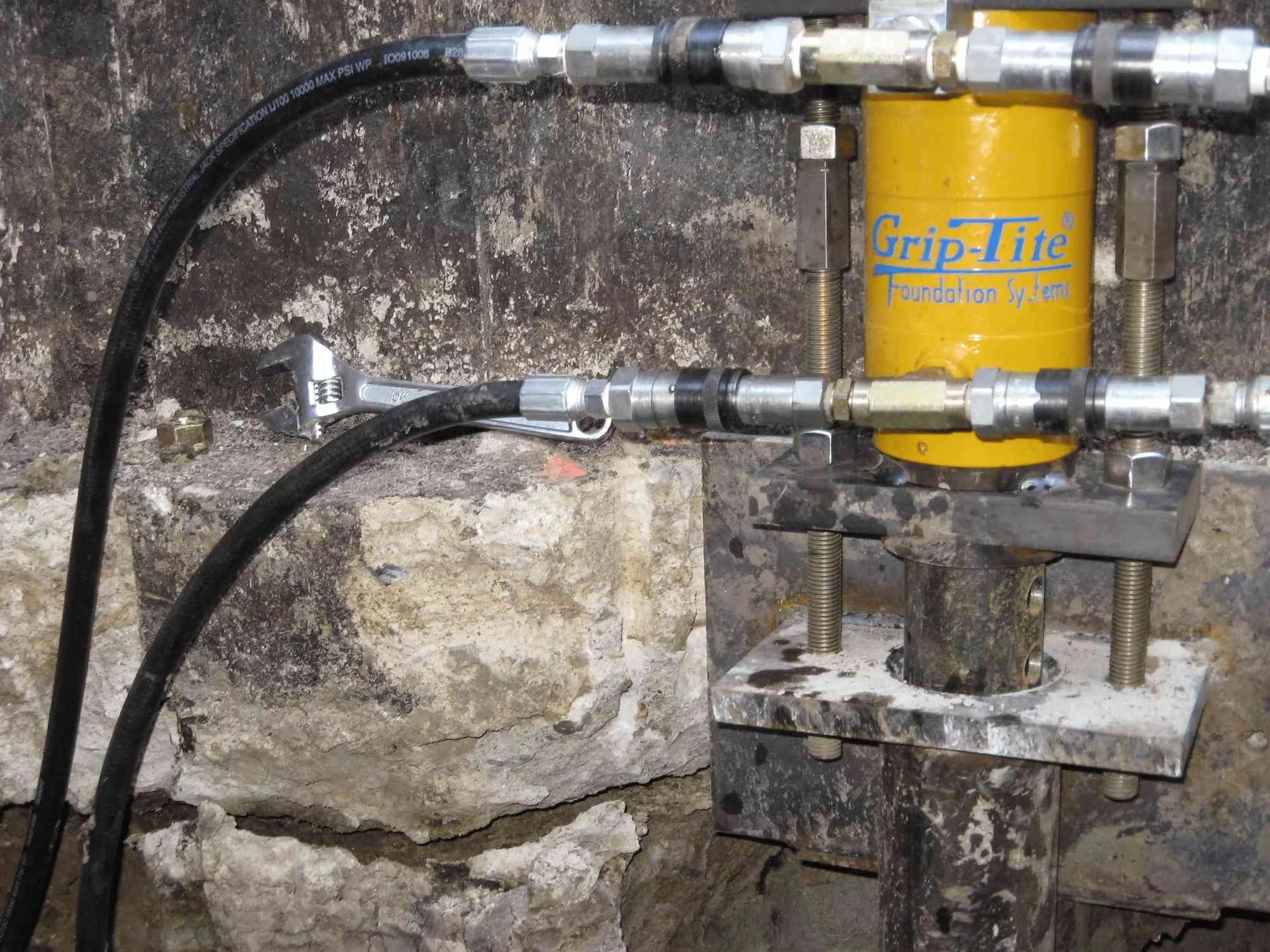
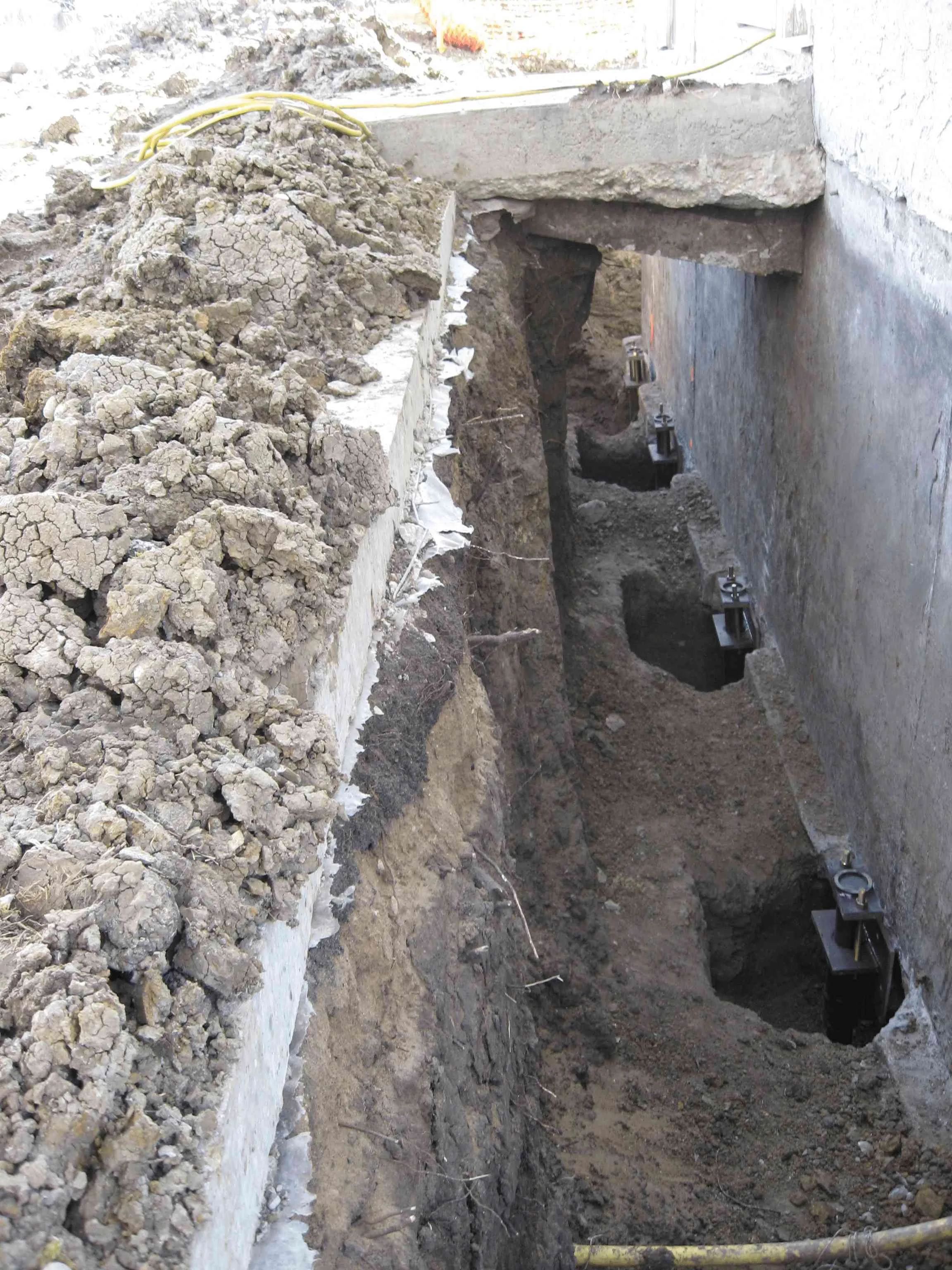
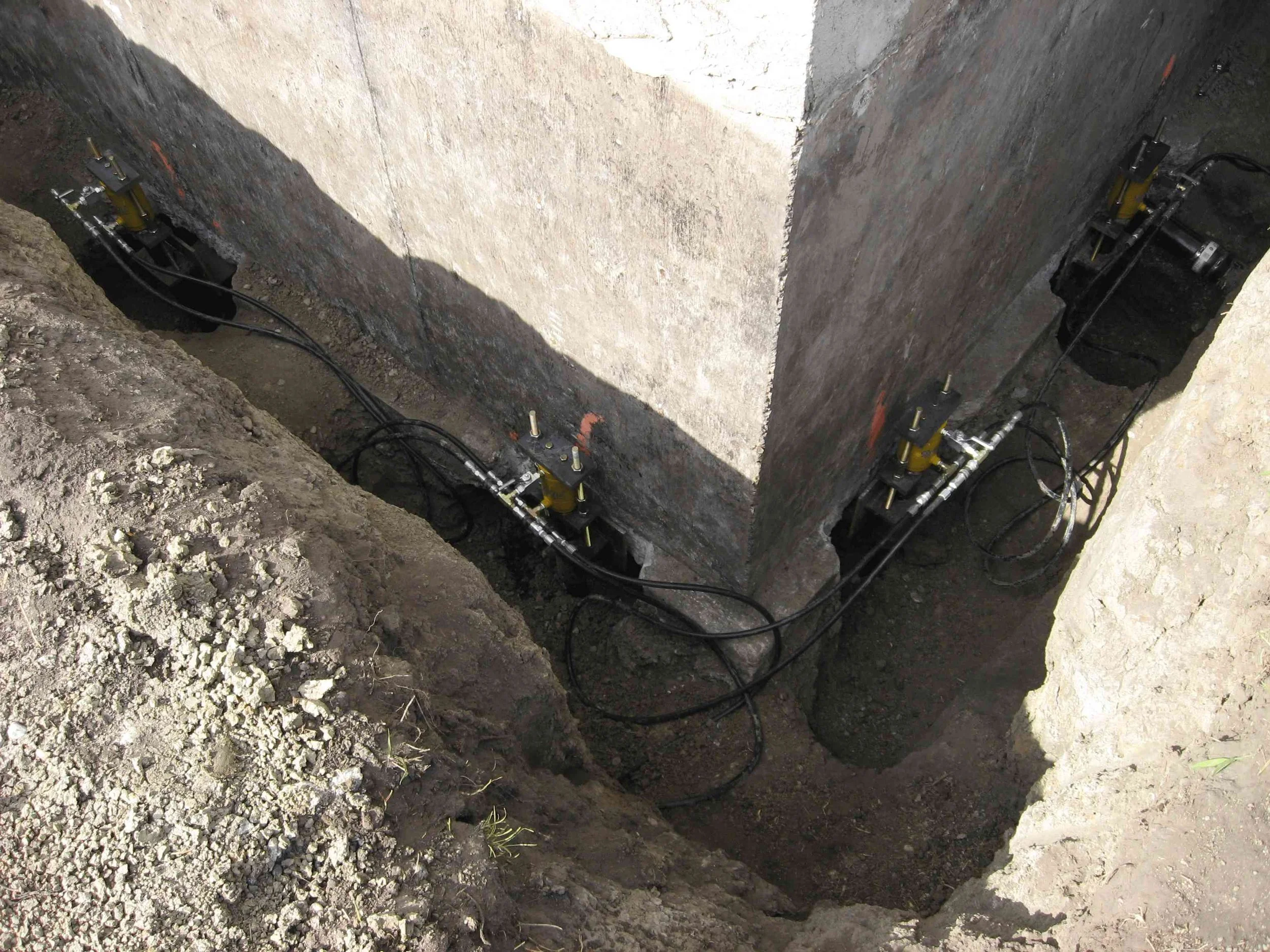
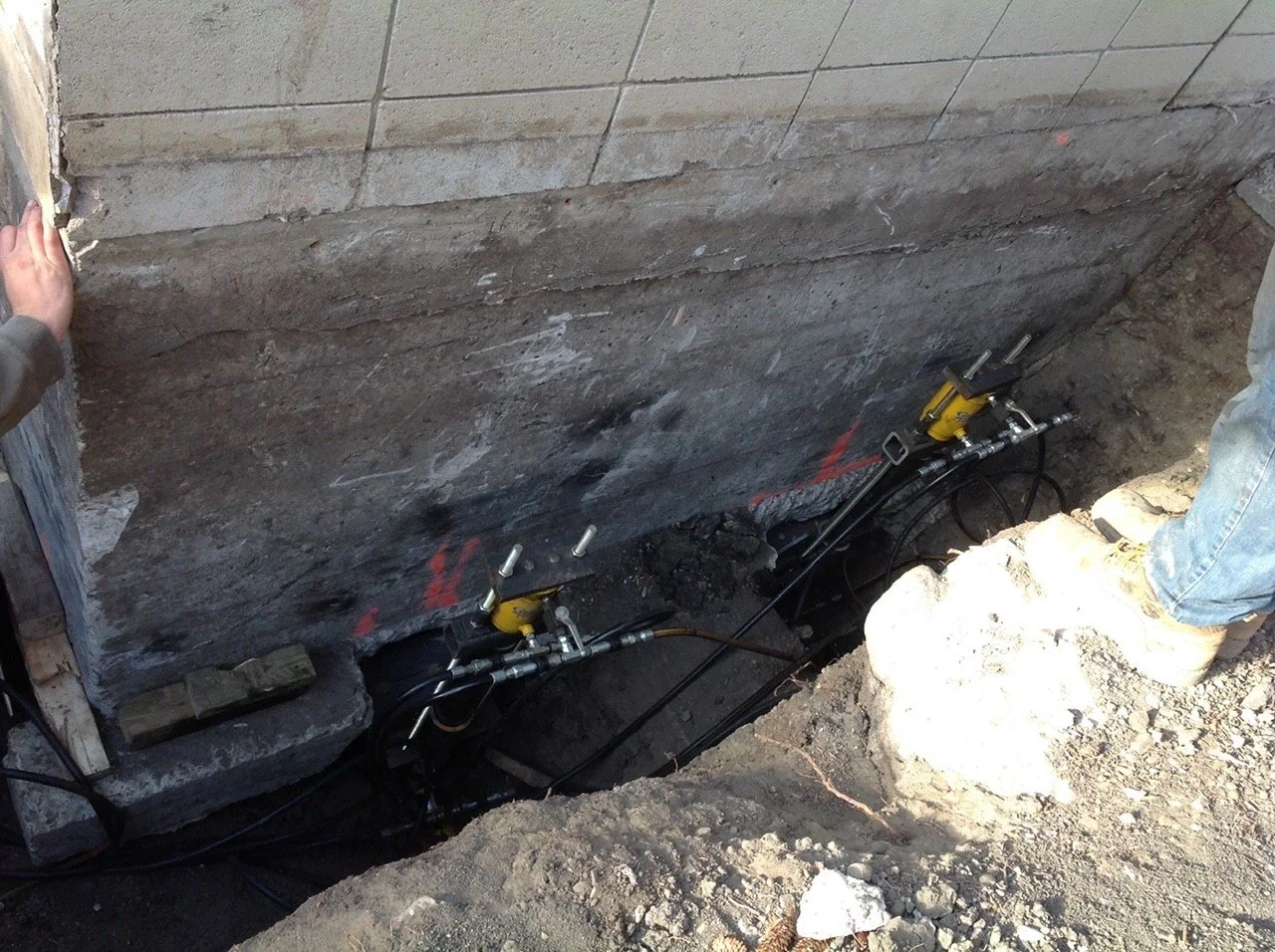
Once the piles are installed, specialized brackets are secured beneath the existing footing. These brackets transfer the weight of the structure onto the deeper, stable soil layers through the piles.
Depending on the engineered design and site conditions, the process can:
Stabilize the foundation to prevent further settlement
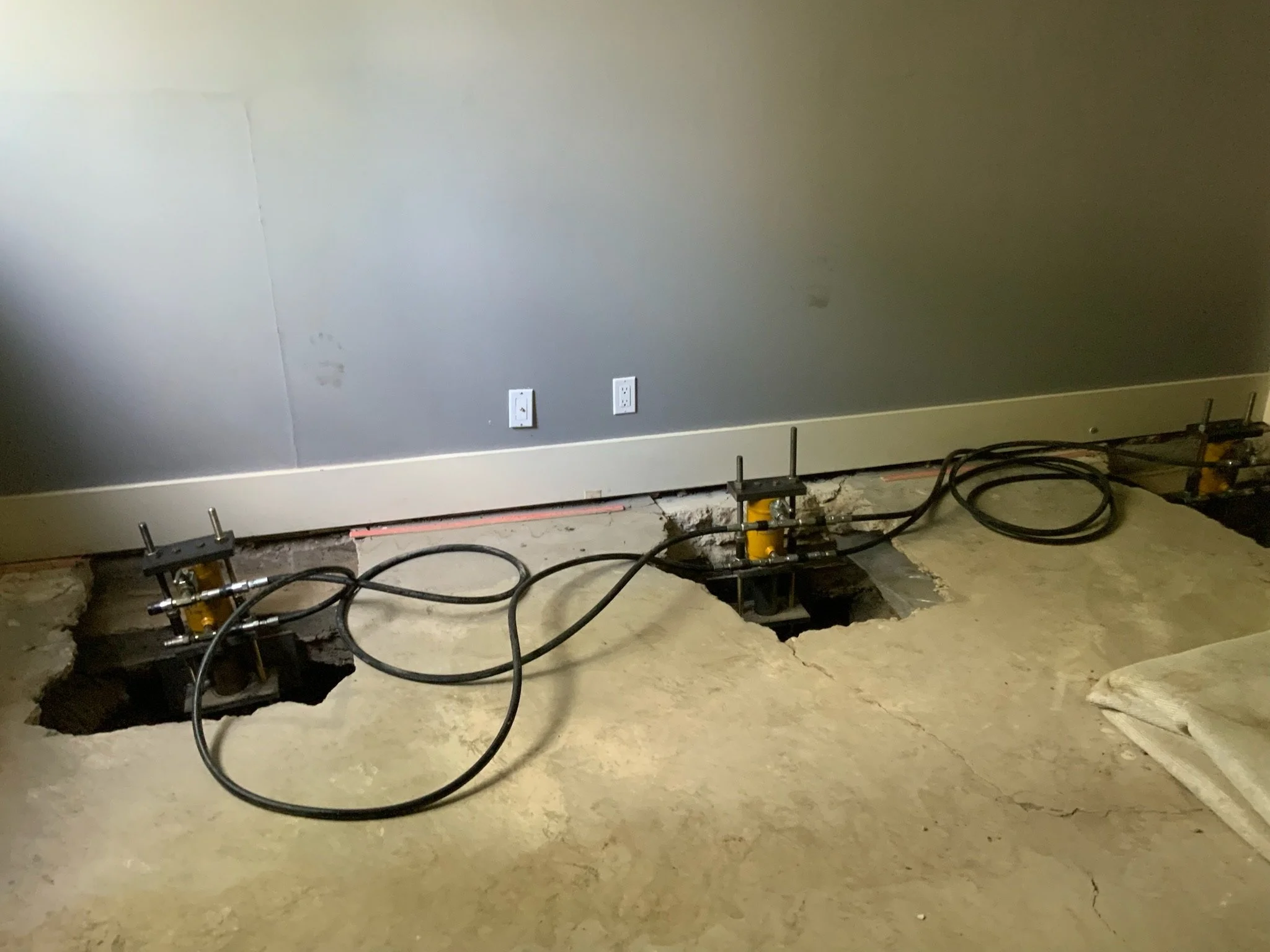
Lift portions of the structure back toward their original position
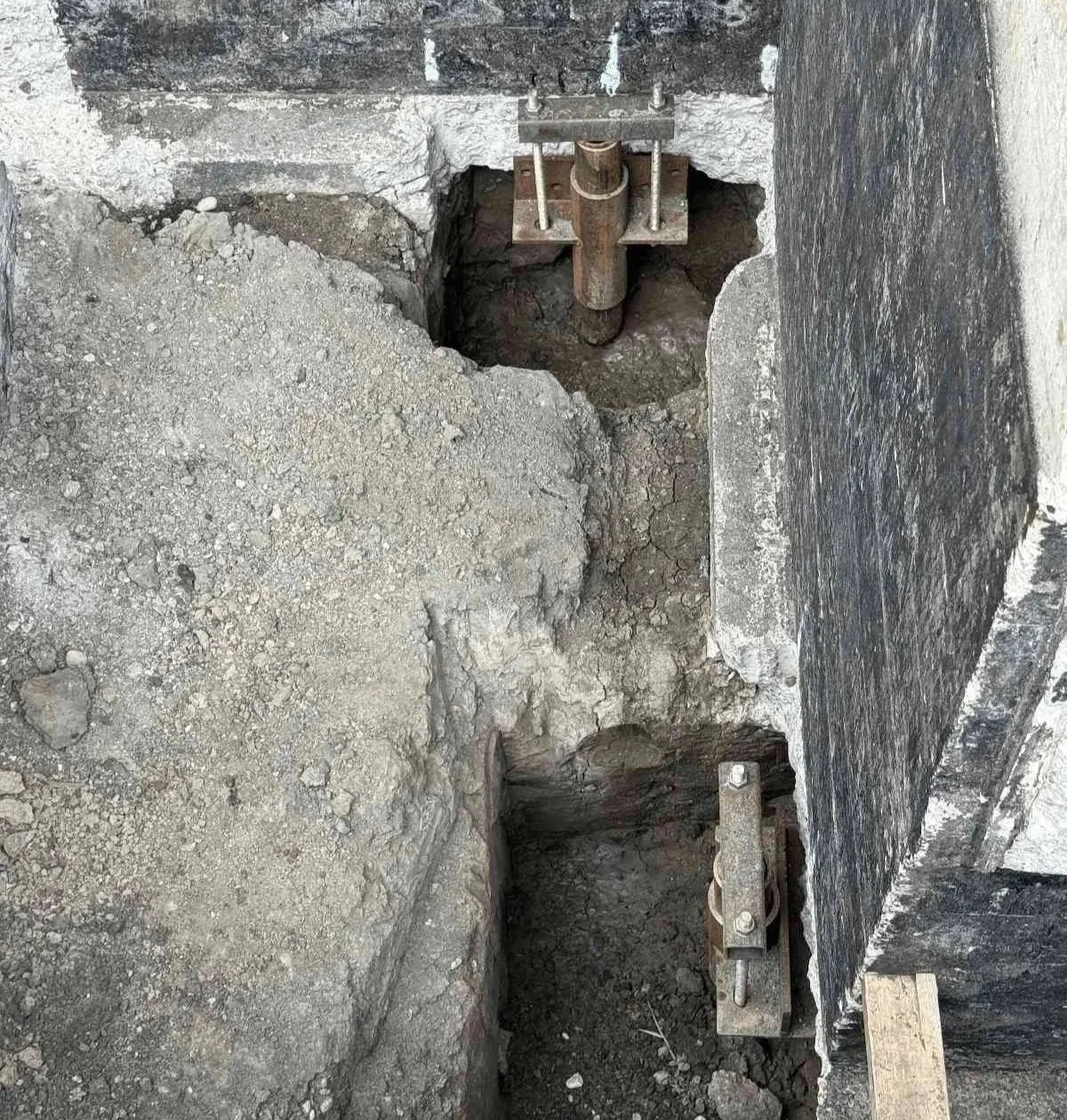
At LETY Construction, every underpinning project follows an engineered plan designed specifically for the structure and soil conditions.
Our foreman and crew carefully advance each screw pile to stable, load-bearing soil before transferring the weight of the home onto the system.

FAQ
-
Some common warning signs of foundation settlement include:
Cracks in drywall above windows or doors
Cracks in foundation walls (specifically “V” shaped cracks that are wider at the top than the bottom)
Doors or windows that stick or won’t close properly
Sloping or uneven floors
Gaps forming between walls, ceilings, or trim
These symptoms don’t always mean underpinning is required, but they should be evaluated by a professional to determine the cause.
-
In many cases, underpinning can lift the foundation, helping to close cracks and improve structural alignment.
However, the primary goal of underpinning is to stabilize the foundation and prevent further movement. The amount of lift possible depends on factors such as the structure, soil conditions, and the extent of settlement.
-
Yes. When properly engineered and installed, underpinning provides a long-term structural solution.
-
Yes. The engineer evaluates the structure, soil conditions, and foundation movement to determine the appropriate pile locations and load requirements.
-
In some situations, piles can be installed from the inside of the basement, especially where exterior access is limited. However, we cannot lift if piles are installed from the inside, only stabilize.
The best approach depends on the home’s design and site conditions.